
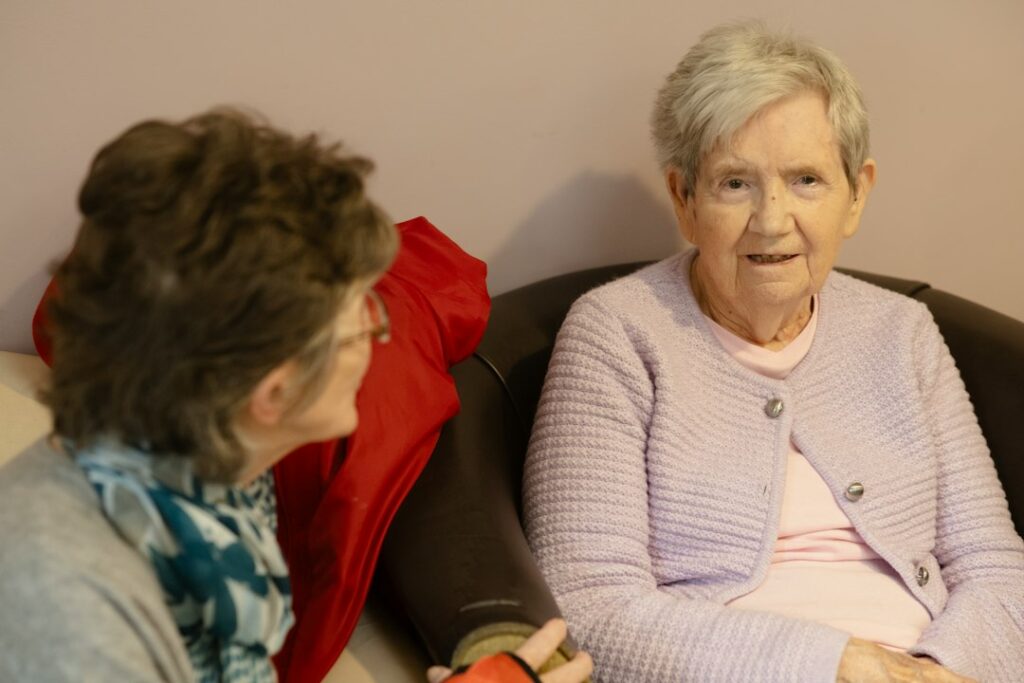
Why change can feel especially difficult in later life
Change can be stressful for older adults because it may affect several parts of daily life at once. A move, health concern, loss of a spouse, change in transportation, or shift in living arrangements can alter routines, privacy, social connections, and a sense of independence.
In Mount Lebanon, PA, many households include older adults who have lived in the same home or neighborhood for years. Familiar streets, nearby relatives, seasonal routines, and long-standing community connections can provide comfort. A change to any of those patterns may feel larger than it appears from the outside.
A difficult reaction does not necessarily mean a person is being stubborn or uncooperative. It may reflect grief, fear, confusion, fatigue, or concern about losing control.
What kinds of changes affect seniors most?
The most challenging changes are usually those that involve identity, independence, health, or relationships. Common examples include:
- Moving from a longtime home to an assisted living setting
- Needing help with bathing, dressing, medications, or meals
- Losing the ability to drive
- Experiencing the death of a spouse, sibling, or close friend
- Adjusting to a new diagnosis or a different treatment plan
- Changes in hearing, vision, balance, memory, or mobility
- Adult children becoming more involved in financial or health decisions
- A shift from living alone to sharing space and activities with others
Even positive changes can cause stress. A safer apartment, more reliable meals, or greater access to social activities may still involve unfamiliar surroundings and new expectations.
How can family members make a transition easier?
Older adults generally adjust better when they receive clear information, meaningful choices, and time to process what is happening. Family members can support adjustment by explaining the reason for a change in simple, respectful language.
Instead of saying, “You cannot manage the house anymore,” a family member might say, “The stairs and winter conditions have made some daily tasks harder. Let’s look at ways to make meals, medications, and transportation easier.”
Offer choices whenever possible. A person may not be able to decide whether a move is necessary, but may be able to choose:
- Which clothing and personal items to bring
- How furniture will be arranged
- What time of day to complete certain routines
- Which activities seem most appealing
- Who should be included in conversations about care
Small decisions can restore a sense of control.
It also helps to avoid presenting too much information at one time. Discussing housing, finances, medical care, transportation, and future planning in a single conversation can feel overwhelming. Short, repeated conversations are often more productive.
How can an older adult prepare for a move?
Preparation should include emotional and practical planning. Before moving, talk through what will remain familiar and what will be different. A written daily schedule can help reduce uncertainty during the first several weeks.
Useful items to organize may include:
- A current medication list
- Important medical and emergency contact information
- Preferred foods and meal routines
- Clothing suited to indoor and outdoor temperatures
- Glasses, hearing devices, chargers, and mobility aids
- Familiar photographs, blankets, books, music, or decorations
- A simple list of hobbies, former routines, and conversation topics
For someone moving during colder months, winter coats, safe footwear, gloves, and clothing that is easy to layer deserve special attention. Snow, ice, and shorter daylight hours can make outdoor travel more difficult, so indoor routines and transportation plans should be considered in advance.
A familiar object can have more value than its size suggests. A favorite chair, framed photograph, or well-used recipe book may help a new space feel personal rather than temporary.
What helps seniors feel independent after a change?
Independence does not mean doing everything without assistance. It often means having a role in decisions, maintaining personal preferences, and being able to contribute.
Older adults may feel more capable when they can:
- Choose clothing and personal care routines
- Help plan meals or family visits
- Keep track of selected appointments or activities
- Participate in household tasks that match their abilities
- Decide when to rest and when to socialize
- Continue familiar hobbies or spiritual practices
- Maintain relationships through phone calls, visits, letters, or video conversations

Family members should be careful not to take over tasks simply because they can complete them faster. Allowing extra time for an older adult to dress, answer questions, or make a choice can protect dignity and confidence.
At the same time, independence should not require unsafe effort. If memory loss, falls, medication errors, or severe fatigue create serious risks, additional support may be necessary.
How can assisted living staff support adjustment?
Assisted living staff can help by learning a resident’s history, preferences, communication style, and usual patterns. Information about a person’s former work, family traditions, favorite foods, sleep habits, and interests can make interactions more personal.
A new resident may not want to join a large group immediately. A quieter introduction, such as a short conversation, a small activity, or a meal with one or two people, may feel more manageable.
Consistency also matters. Knowing when meals occur, where to find help, and who to ask questions can reduce anxiety. Clear signs, repeated explanations, and predictable routines may be particularly helpful for someone with memory changes or hearing loss.
Adjustment is rarely measured by how quickly a person appears cheerful. A better sign may be increased comfort with daily routines, fewer expressions of fear, more frequent conversation, or renewed interest in familiar activities.
What signs suggest that stress is becoming a health concern?
Some sadness, frustration, and withdrawal are normal after a major change. Persistent or worsening symptoms deserve attention, especially when they interfere with eating, sleeping, medication use, personal care, or social interaction.
Pay attention to:
- Ongoing hopelessness or frequent crying
- Sudden confusion or a sharp change in behavior
- Repeated refusal of food, fluids, medication, or essential care
- New falls or unusual difficulty walking
- Severe anxiety, panic, or fearfulness
- Sleeping most of the day or being unable to sleep
- Statements about not wanting to live or being a burden
Sudden confusion can have medical causes and should not automatically be treated as a normal part of aging. Immediate safety concerns, severe symptoms, or statements about self-harm require prompt medical attention or emergency assistance.
How can routines, seasons, and familiar connections help?
Routines give structure during uncertain periods. A regular wake-up time, familiar breakfast, scheduled family calls, and predictable evening habits can help an older adult feel oriented.
Seasonal changes may require extra planning in Mount Lebanon. Winter weather can limit outdoor walks and make transportation more complicated, while reduced daylight may affect mood and activity levels. Indoor exercise, hobbies, visits, and social programs can help preserve connection when outdoor routines are interrupted.
Family members should also expect adjustment to come in stages. Someone may seem comfortable for several days and then become upset after a reminder of what has been lost. This does not necessarily mean the transition has failed. Grief and adaptation often move back and forth.
The most helpful approach is steady reassurance, respectful listening, and practical support that protects both safety and personal choice.
