
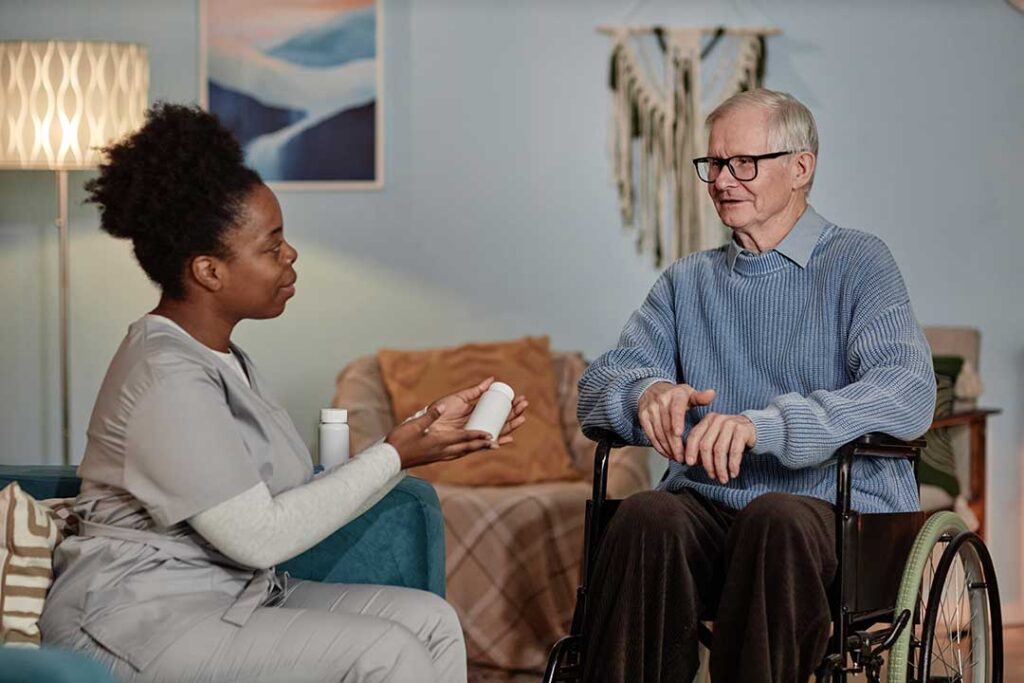
How Does Assisted Living Support Emotional Well-Being in Mount Lebanon, PA?
Assisted living communities in Mount Lebanon, PA help residents maintain a sense of independence while providing daily support, which can significantly reduce anxiety and feelings of isolation. Many seniors living at home report feeling lonely, particularly during the winter months when icy sidewalks and challenging hills can make it difficult to visit friends or participate in local activities. In an assisted living setting, daily routines, communal dining, and organized gatherings naturally provide built-in opportunities for connection.
Local weather patterns in this region, from snowy winters to humid summers, sometimes keep older adults indoors. Assisted living offers safe and comfortable indoor common spaces for relaxation, reading, or group activities, decreasing the risk of seasonal loneliness.
What Role Do Social Activities Play in Boosting Mental Health?
Group activities are a cornerstone of mental well-being in assisted living. On-site programming—such as book clubs, movie nights, or card games—creates regular chances for residents to engage with peers and staff. These meaningful social interactions are associated with lower rates of depression and cognitive decline.
Residents in Mount Lebanon enjoy both planned activities and casual conversations, which are easier to access in a shared living environment than in private homes. Participating in group events, whether puzzles in a lounge or themed holiday celebrations, encourages laughter, reduces stress, and helps build a sense of community.
How Do Assisted Living Communities Address Anxiety and Depression Among Residents?
Assisted living environments are structured to notice early changes in mood or behavior that might signal depression or anxiety. Trained staff can offer support, coordinate with local healthcare providers, and help connect residents to counseling or therapy resources if needed.
Moreover, regular routines—such as consistent meal times and gentle reminders for medication—ease mental strain that can come from managing daily tasks alone. Subtle support like these routines helps maintain residents’ sense of control and purpose, both of which are crucial to mental well-being.
Does Assisted Living Offer Opportunities for Physical Activity That Benefit Mood?
Encouraging movement is another important way assisted living helps mental health. Walking clubs, indoor exercise classes, and safe access to outdoor patios or gardens allow residents to enjoy light activity regardless of mobility level. Even small amounts of daily movement can boost endorphins, improving mood, sleep quality, and overall cognitive function.
For Mount Lebanon residents, this indoor-outdoor flexibility is essential, especially during periods of inclement weather or when sidewalks are unsafe. Adaptive fitness options provide safe, reliable opportunities to stay active year-round.
How Do Mealtimes and Nutrition Impact Mood and Cognition?
Many studies show that balanced, regularly timed meals improve mental health in older adults. In assisted living, residents benefit from chef-prepared or dietitian-approved meal options—helpful for those who may struggle to prepare nutritious food at home. Dining with peers reduces mealtime isolation, turning routine nourishment into a pleasant, social experience.
Those with special dietary needs—whether related to diabetes, heart health, or other conditions—receive added support, helping stabilize energy levels and mood.

Can Having Access to On-Site Support Reduce Stress for Residents?
Knowing help is nearby lowers anxiety for both residents and their families. Whether it’s assistance with medications, support during a medical emergency, or simple help with daily tasks, that constant presence offers peace of mind. In turn, this reduces worry about “what if” situations, freeing residents to engage more fully in community life.
Within Mount Lebanon’s residential neighborhoods, older adults living alone can feel vulnerable during storms or power outages. In assisted living, robust safety systems and staff availability offer a more reassuring environment.
How Do Connections With Family and the Broader Community Continue in Assisted Living?
Assisted living does not mean giving up ties to loved ones or local life. Residents are encouraged to host visitors, engage with neighbors, and access area parks or libraries as their abilities allow. Community transportation services sometimes help residents attend religious services, concerts, or family gatherings.
Seasonal events and open houses often invite families and friends to participate, supporting intergenerational bonds and ongoing connection to the wider Mount Lebanon community.
What Are Some Common Misconceptions About Mental Health in Assisted Living?
Some people assume moving to assisted living means a loss of freedom or that it leads to emotional decline. In reality, many residents find their mood and outlook improve thanks to new friendships, structured routines, and supportive services. Assisted living can relieve burdens from household responsibilities that have become stressful, making room for renewed hobbies and interests.
Another misconception is that assisted living is overly institutional or isolating. Modern communities in Mount Lebanon are designed with welcoming layouts, inviting gardens, and communal spaces—all of which foster engagement rather than separation.
