

How Are Emergencies Recognized and Reported in Assisted Living Settings?
Assisted living staff are trained to promptly recognize and respond to emergencies, whether medical, fire-related, or weather-specific. Residents and families often ask how quickly help will arrive and who decides what is an emergency. In most communities, staff are present on-site 24 hours a day. Residents can alert staff through emergency call systems found in apartments, bathrooms, and common areas.
For immediate concerns, like a fall or sudden illness, staff are trained to:
- Assess the resident's condition right away
- Decide if an ambulance or emergency services are needed
- Use established communication protocols to inform family members if appropriate
Local regulations in Mount Lebanon require that certain types of incidents are documented and reported, so responses are structured and consistent.
What Emergency Systems Are in Place?
Physical systems and procedures are essential. Most assisted living communities are equipped with:
- Pull cords, pendants, or wall buttons for emergency calls
- Smoke detectors and fire alarms tested regularly
- Sprinkler systems
- Clearly marked exits and evacuation routes
- Backup power sources in case of outages
These systems are checked according to state safety requirements and tailored to the specific needs of older adults, including those with mobility or cognitive impairments. Given the region’s seasonal storms and rare winter power outages, many local communities have plans for maintaining heat, light, and access to medication during weather-related emergencies.
How Do Staff Prepare for Different Types of Emergencies?
Staff preparation begins with orientation and continues through regular drills and annual training. Each type of emergency—medical, fire, or severe weather—requires slightly different actions:
- For medical events, staff are trained in CPR and first aid, and often receive special instruction on dementia-related behaviors or non-verbal distress.
- For fires, routine evacuation drills are held for both residents and staff, ensuring everyone knows what to do, including those with physical limitations.
- For weather emergencies, like heavy snow or severe storms, there are plans for sheltering in place and maintaining supplies of food, water, and medications.
Family members are usually briefed on these emergency plans when a new resident moves in, providing peace of mind and clarity about the process.
What Happens During a Medical Emergency?
If a resident experiences a fall, sudden illness, or another urgent health problem, staff respond immediately on-site. Depending on the situation, the next steps may include:
- Calling 911 or local emergency medical services
- Administering first aid or life-saving measures until help arrives
- Notifying emergency contacts according to the resident’s preferences and legal requirements
For situations that do not require hospitalization, such as mild illness or dehydration, staff provide appropriate care and monitor the resident closely. Many residents have advanced directives or care plans that guide staff in decision-making if a resident cannot communicate their wishes in the moment.
How Are Fire and Evacuation Emergencies Handled?
Fire safety receives significant attention in assisted living due to the vulnerability of many residents. Local buildings follow regulations for fire-resistant construction, regularly maintained alarm systems, and multiple exits. During an alarm:
- Staff assist residents to safety, prioritizing those with mobility issues or memory concerns
- Evacuation maps are posted and reviewed during drills
- Alternate arrangements exist if buildings become temporarily uninhabitable, such as transportation to pre-identified safe locations
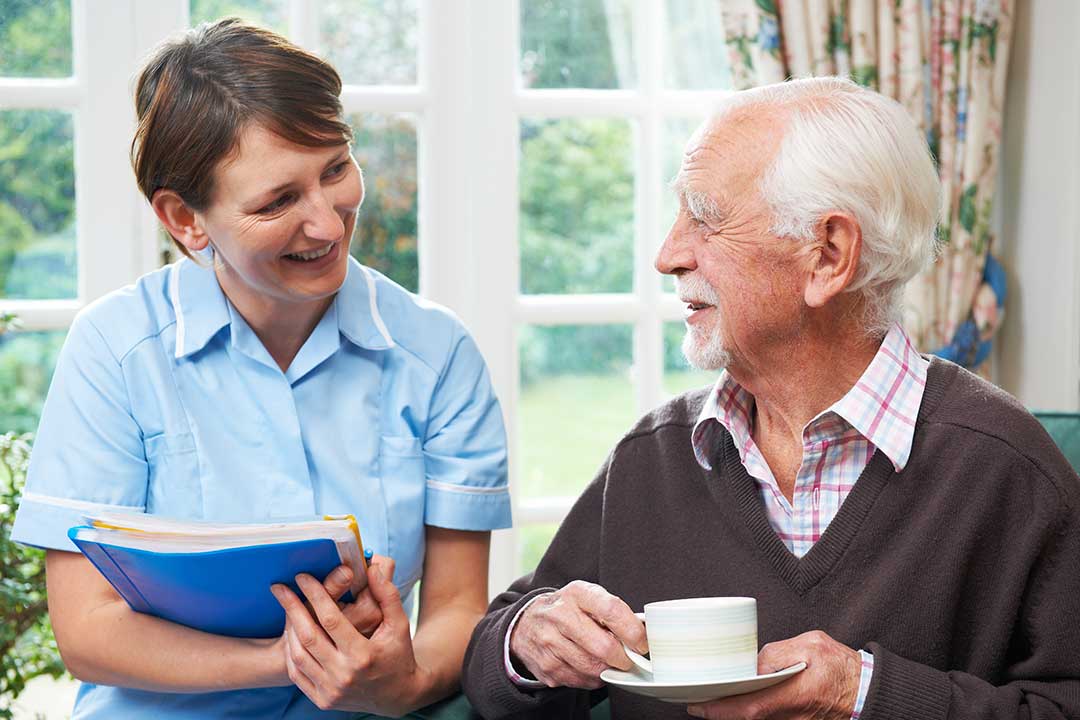
Some residents may be particularly anxious about the possibility of an evacuation. Staff regularly communicate and reassure residents before, during, and after drills or real events.
How Are Power Outages, Severe Weather, or Environmental Hazards Addressed?
Power outages and storms are not uncommon in the area, particularly in winter. Assisted living communities prepare by:
- Maintaining backup generators to run critical systems (lighting, medical equipment, elevators)
- Storing enough food, water, and emergency supplies to last several days
- Arranging for extra staff coverage in advance of forecasted severe weather
If evacuation is necessary due to flooding, extended blackouts, or other hazards, local authorities coordinate with assisted living staff to ensure safe transport and continuity of care. For affected residents who rely on powered medical devices, additional precautions are in place to ensure their safety.
Do Residents and Families Participate in Emergency Planning?
Residents are encouraged to participate in drills and to keep emergency contact and medical information up to date. Families should understand community protocols and communication methods. Transparency fosters trust: knowing what to expect and how emergencies are managed can help alleviate worry for residents and their loved ones.
Common questions include:
- Will my loved one be informed and supported, especially if they have memory loss?
- How will I be contacted during an emergency?
- Should I provide extra medications or personal emergency kits?
Staff are accustomed to these concerns and can provide specific guidance tailored to each resident’s needs and the area’s typical emergencies.
What Misconceptions Might Residents Have About Assisted Living Emergency Response?
Some believe an assisted living community functions exactly like a hospital with round-the-clock medical staff. In reality, assisted living typically provides non-medical support, with rapid access to outside medical assistance if required. Others worry that alert systems won’t function during power loss; most facilities have battery backups and manual options that are regularly tested.
Another misconception is that residents must fend for themselves during a crisis. In practice, the goal is for every resident to be accounted for and assisted—staff are trained to provide hands-on help, particularly to those with physical or cognitive challenges.
Staying informed about community protocols, asking questions, and discussing specific health needs can help residents and families feel more secure in their emergency preparations.
