
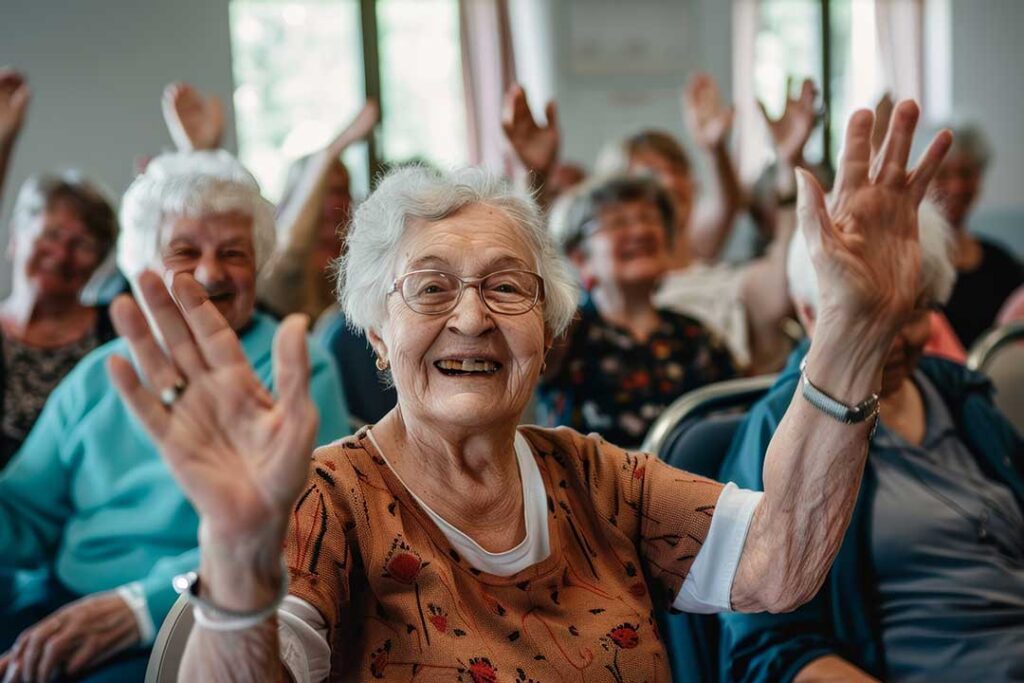
What does an active lifestyle mean in assisted living?
In Mount Lebanon, PA, an active lifestyle in assisted living can include much more than formal exercise. It may involve walking safely, joining a group activity, helping with a shared task, spending time outdoors, learning something new, or maintaining regular connections with family and friends.
The goal is not to make every resident follow the same schedule. A useful activity program gives people choices that match their abilities, interests, energy levels, and health needs. For some residents, staying active may mean a daily walk through an indoor common area. For others, it may mean gardening, attending a discussion group, dancing, or helping prepare decorations for a community event.
Physical movement is only one part of the picture. Social, mental, emotional, and purposeful activities also support a well-rounded daily routine.
How does assisted living make movement easier to include?
Assisted living settings often reduce practical barriers that can make activity difficult at home. Residents may have access to accessible hallways, seating areas, elevators, handrails, activity rooms, and outdoor spaces designed for easier navigation.
This can make movement feel like a natural part of the day rather than a separate workout. Examples include:
- Walking to meals instead of eating alone in a private room
- Taking a longer route through a secure indoor area
- Standing during selected parts of an activity
- Joining gentle stretching or balance sessions
- Walking with a companion or staff member when appropriate
- Using a garden, courtyard, or other outdoor area during suitable weather
For residents in a community with changing seasonal conditions, indoor options are especially useful. Cold temperatures, snow, ice, rain, and shorter winter daylight hours can make outdoor walking less practical. An indoor walking routine, seated exercise class, or hallway-based activity can help maintain consistency during those periods.
What types of exercise are common?
Activities generally focus on several areas of physical function rather than athletic performance. A balanced program may include:
Strength: Light resistance exercises can support the muscles used for standing, lifting, and daily tasks. Exercises may use body weight, resistance bands, or small hand weights, depending on individual ability.
Balance: Simple balance activities can help residents practice controlled movement and body awareness. These exercises should be adapted for safety and may be performed while holding a stable surface or sitting in a chair.
Flexibility: Gentle range-of-motion movements can help residents maintain comfort and mobility in the shoulders, hips, knees, ankles, and spine.
Endurance: Walking, seated movement, dancing, and repeated light activity can support stamina for daily routines.
Coordination: Games involving hand movements, light equipment, music, or simple sequences can encourage coordination while also providing mental stimulation.
The right level of activity varies. A resident recovering from illness, living with arthritis, or managing a neurological condition may need a slower pace, shorter sessions, or additional support. Activity should not cause chest pain, severe shortness of breath, dizziness, unusual weakness, or sharp pain. Those symptoms require stopping and seeking appropriate medical guidance.
How do group activities support physical health?
Group activities can encourage residents to participate more consistently because they add structure and companionship. A person who may not choose to exercise alone might be more willing to join a familiar group for music-based movement, stretching, or a walking period.
Group participation can also reduce the sense that exercise is a medical task. Light dancing, chair yoga, balloon games, gardening, and bowling-style activities may feel recreational while still encouraging movement.
Social activity has practical benefits as well. Residents may become more familiar with shared spaces, develop friendships, and feel more comfortable moving through the community. That increased confidence can support participation in other activities.
Programs should still respect personal preferences. Some residents enjoy groups, while others prefer quiet walking, one-on-one activity, or independent routines. An active lifestyle does not require constant social participation.
Can residents stay active if they use a walker or wheelchair?
Yes. Mobility equipment does not automatically prevent an active lifestyle. Many activities can be adapted for people who use walkers, wheelchairs, canes, or other assistive devices.
A resident who uses a wheelchair may participate in seated strength exercises, upper-body movement, music activities, gardening at an accessible height, or group games. Someone who uses a walker may benefit from short walking intervals with rest points and clear pathways.
The most useful approach is to focus on what a person can do safely, not on comparing that person with others. Equipment should be used as directed, and activity spaces should allow enough room for turning, stopping, and transferring when needed.
Residents and families may also ask how activities are adapted for vision changes, hearing loss, memory impairment, or limited hand strength. Clear instructions, demonstrations, large-print materials, good lighting, and reduced background noise can make participation easier.
How does assisted living encourage mental and purposeful activity?
Mental engagement is part of an active lifestyle because everyday participation involves attention, decision-making, communication, and memory. Communities may offer activities such as current-events discussions, crafts, music, puzzles, educational programs, reading groups, or card games.
Purposeful roles can be just as meaningful. A resident might help arrange table decorations, welcome a new neighbor, water plants, sort supplies, or share knowledge about cooking, history, music, or a former career.
These responsibilities should be voluntary and appropriately supported. The point is not productivity for its own sake. Purposeful activity can help residents feel connected to the daily life of the community and maintain a sense of identity.
What helps residents remain active during colder months?
Seasonal planning matters in this region. Outdoor activity may be enjoyable in spring, summer, and early fall, but winter conditions can create slip hazards and discourage time outside.
Indoor routines can help maintain continuity. Useful options may include:
- Indoor walking routes with chairs for rest
- Seated exercise and stretching
- Hallway scavenger hunts or movement games
- Indoor gardening
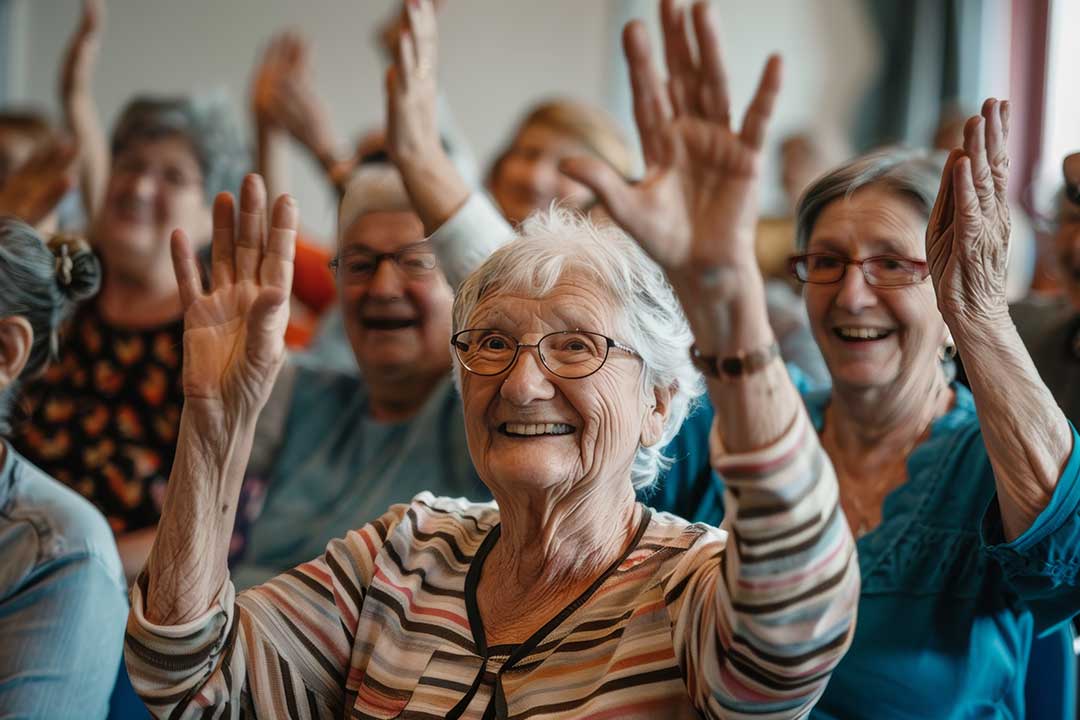
- Music and dance sessions
- Craft activities that involve standing or reaching
- Short visits to shared areas instead of extended isolation in a room
Footwear, lighting, floor surfaces, and clutter also affect safety. Wet entryways and tracked-in snow should be addressed promptly. Residents who feel unsteady should use their prescribed mobility equipment and follow individualized safety guidance.
How can families support an active routine?
Families can encourage activity by asking specific questions instead of simply asking whether a resident is “doing well.” Questions such as “What activity did you enjoy this week?” or “Which part of the daily routine feels easiest?” may lead to more useful conversations.
Family visits can include movement when appropriate. A visit might involve walking together, looking through a garden, attending a music program, playing a seated game, or helping with a creative project. The activity should match the resident’s energy and health that day.
It is also useful to recognize that participation may vary. Fatigue, medication changes, illness, pain, mood, sleep problems, and memory changes can all affect activity levels. A temporary decline does not necessarily mean a resident has lost interest permanently.
What should residents ask about an activity program?
Residents and families may want clear information about how activities are planned and adapted. Helpful questions include:
- Are there options for different mobility levels?
- How are activities modified for memory, vision, or hearing changes?
- Are indoor walking opportunities available during poor weather?
- Can residents choose between group and individual activities?
- How are rest periods and hydration handled?
- What happens if a resident becomes tired or uncomfortable?
- Are family members able to participate during visits?
- How are personal interests included in the activity calendar?
A strong program treats activity as part of everyday well-being rather than as a single scheduled exercise class. It offers safe choices, respects independence, and recognizes that meaningful movement can take many forms.
